Every parent knows the scene: you announce that screen time is over, press the power button, and your calm child suddenly erupts into an inconsolable meltdown. These intense emotional outbursts are rarely about defiance; they are neurobiological reactions to sensory overload. Transitioning your child toward low stimulation screen time offers a gentle, brain-friendly alternative that preserves digital learning while ending post-show aggression and dysregulation.
When children consume hyper-stimulating video content, their developing nervous systems struggle to process the deluge of rapid scene shifts, saturated neon visuals, and jarring audio effects. By understanding how media pacing impacts child psychology, you can replace chaotic cartoon binges with calm, enriching media habits.
Higher incidence of post-screen tantrums & emotional dysregulation after viewing fast-cut cartoons (scene cuts < 3 sec)
vs. low-stimulation storybooks or slow-paced programming (cuts > 12 sec)
The Neuroscience Behind the "Cartoon Meltdown" #
Modern children's programming is engineered to capture involuntary visual attention. Fast-cut animations shift camera angles every 1.5 to 2.5 seconds, triggering an endless loop of orienting reflexes in the brain. This relentless stimulation floods a toddler’s developing brain with dopamine, creating an artificial state of high arousal.
When the device abruptly turns off, dopamine levels plummet instantly. Because the immature prefrontal cortex cannot regulate such rapid neurological shifts, the child experiences fight-or-flight distress. Similar to daycare restraint collapse, this sensory crash manifests as screaming, kicking, throwing objects, or intense emotional distress.
"Deep and simple is far more essential than shallow and complex."
— Fred Rogers, Educator and Host of Mister Rogers' Neighborhood
What Is Low-Stimulation Screen Time? #
Low-stimulation media respects a child's natural cognitive processing speed. Instead of bombarding the senses with rapid edits and blaring soundscapes, it utilizes natural pacing, softer audio, organic color palettes, and real-world story arcs.
Rather than trapping a child in passive, trance-like consumption, calm media encourages thoughtful engagement. It allows the viewer to absorb dialogue, anticipate plot points, and process emotional cues without overwhelming their sensory thresholds.
| Feature | Hyper-Stimulating Cartoons | Low-Stimulation Story Experiences |
|---|---|---|
| Pacing & Cuts | Scene shifts every 1–3 seconds | Slow, gentle pans and static scenes |
| Visual Palette | Saturated neon and flashing lights | Muted watercolors and natural tones |
| Audio Mix | Loud sound effects and rapid pitch changes | Gentle narration, acoustic music, natural pauses |
| Cognitive Load | Sensory overload and passive trance | Active comprehension and narrative reflection |
| Transition Out | High risk of tantrums and emotional collapse | Smooth, calm handoffs to offline play |
"When we turn off a hyper-stimulating screen, the child isn't throwing a tantrum to manipulate us. Their brain is experiencing an acute drop in dopamine. Holding a sturdy, loving boundary—'I know you love this show, AND the screen is going to sleep now'—allows their nervous system to recalibrate in your emotional safety."
— Dr. Daniel Siegel & Dr. Tina Payne Bryson, Authors of The Whole-Brain Child
How to Curate a Low-Stimulation Digital Routine #
Replacing hyper-stimulating media does not mean banning screens entirely. Instead, it means curating intentional, high-quality digital environments that support healthy emotional development.
1. Evaluate Pacing and Scene Duration #
Before introducing a new app or program, watch two minutes without sound. If the camera cuts to a new angle or setting every couple of seconds, the content relies on neurological shock value rather than narrative substance. Look for media where camera angles linger for at least 5 to 10 seconds.
2. Prioritize Narrative Depth Over Sensory Flash #
Rich storylines nurture empathy, language acquisition, and abstract thinking. When stories unfold at a human tempo, children have time to internalize vocabulary, track character motivations, and connect the narrative to their own lives.
3. Move from Passive Watching to Interactive Reading #
Passive screen watching numbs active problem-solving. In contrast, interactive digital storybooks require deliberate participation—such as turning a page or answering a prompt. Exploring how interactive books improve early literacy reveals that shared digital reading strengthens phonological awareness and vocabulary far more effectively than passive video viewing.
The Power of Interactive Co-Viewing #
Screen time becomes far more enriching when it is shared rather than solitary. Co-viewing transforms digital media into a collaborative, connective experience between parent and child.
"Children are human beings to whom respect is due, superior to us by reason of their innocence and of the greater possibilities of their future."
— Dr. Maria Montessori, Physician and Educator
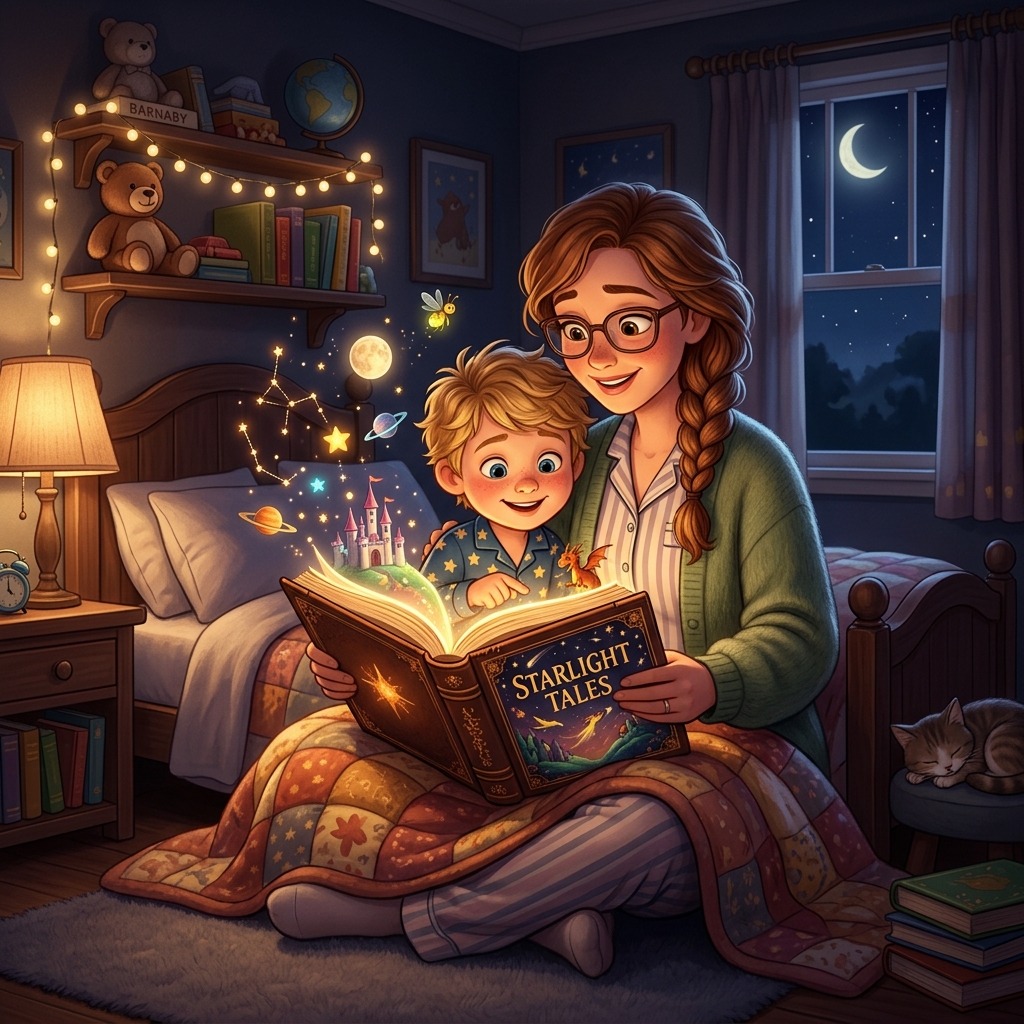
When you sit beside your child during low-stimulation digital reading, you can pause to ask open-ended questions: "Why do you think the little bear is worried?" or "What do you think will happen when they open that door?" This active dialogue bridges digital media with real-world emotional intelligence.
How Fabella Supports Calm, Dysregulation-Free Screen Time #
At Fabella, our mission is to make digital reading a tranquil, bonding experience rather than a battleground for attention. We design our narrated, interactive storybooks with deliberate pacing and serene illustrations, avoiding sensory overload entirely.
- Gentle, Human Narration: Professional voice actors speak with natural inflection and soothing cadence, modeling expressive language without grating sound effects.
- Thoughtful Interactivity: Children interact with stories at their own pace, turning digital pages and exploring illustrations through tactile curiosity rather than rapid-fire animations.
- Calm Visual Art: Illustrated with warm, grounding color palettes, Fabella stories captivate young minds without triggering the hyper-arousal that causes post-screen meltdowns.
- Effortless Bedtime Transitions: Because Fabella maintains a calm sensory baseline, transitioning from a digital storybook to sleep or quiet play feels natural and tear-free.
Actionable Steps to Reset Your Child’s Screen Habits #
- Implement a 7-Day Fast-Cut Detox: Temporarily pause hyper-stimulating video channels and replace them with audio stories, calm storybook apps, or physical books.
- Set Visual Boundaries: Give predictable warnings before screen time ends, such as: "When this story finishes, we will close the app and set the table together."
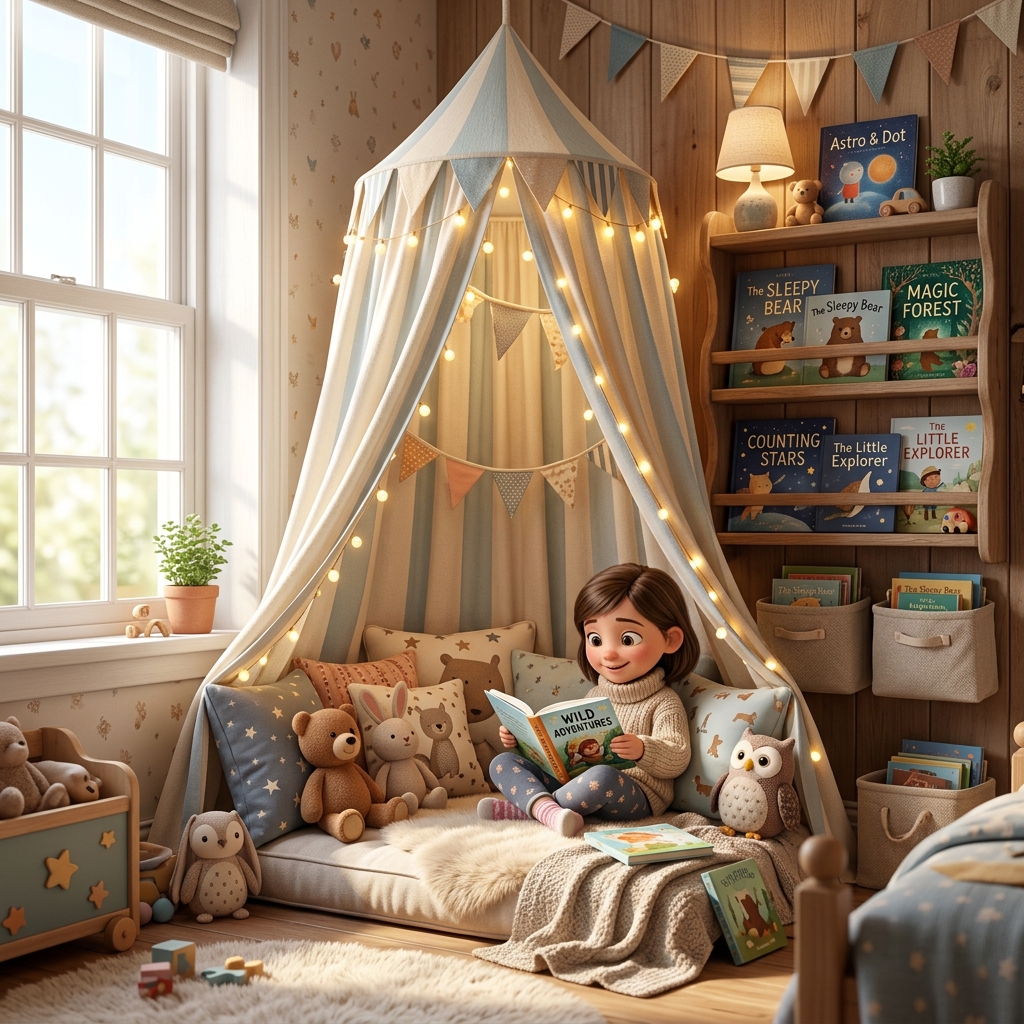
- Anchor Screens to Quiet Moments: Avoid using screens during high-stress transition periods. Instead, pair low-stimulation story apps with cozy spaces, such as an afternoon unwind on the sofa.
- Model Media Mindfulness: Let your child observe you engaging with calm, focused media rather than rapidly scrolling through short-form video feeds.
Transitioning to low-stimulation digital habits restores peace to your home. By replacing chaotic cartoons with soothing, interactive storybooks, you protect your child’s emotional equilibrium, nurture their love for reading, and end screen-time tantrums for good.