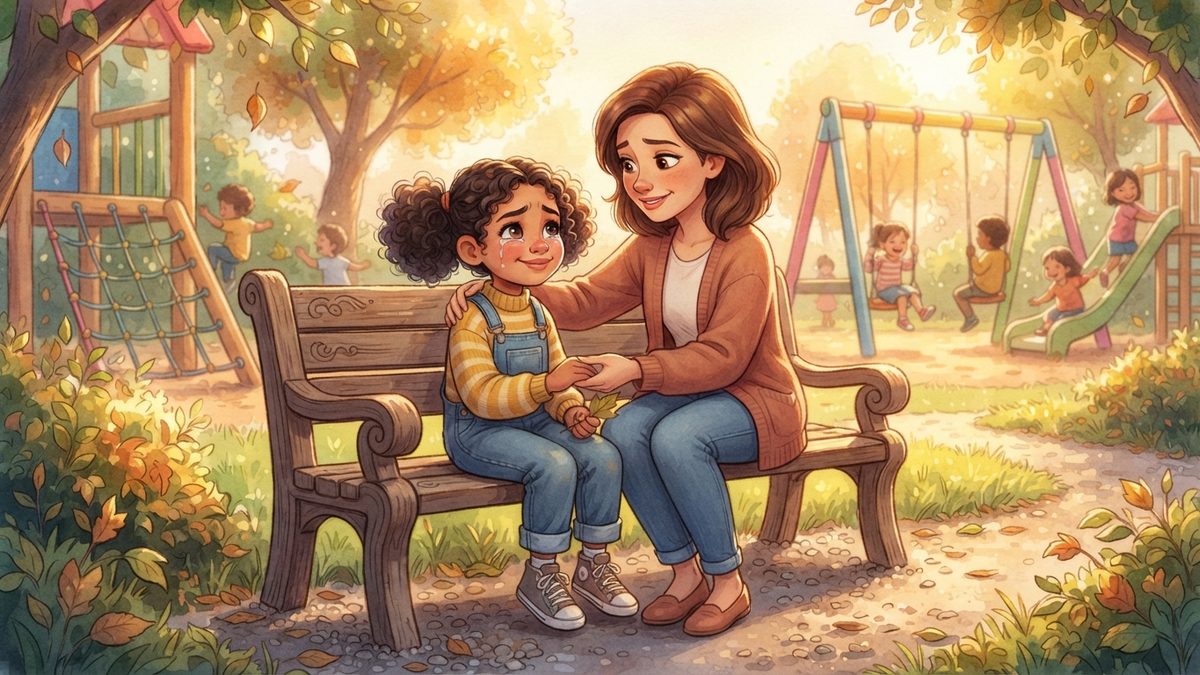
Every parent dreads the phone call from school reporting that their child was pushed, shoved, or cornered on the playground. In that surge of protective instinct, a common dilemma surfaces: should you teach your child to fight back, or instruct them to turn the other cheek?
Modern school "zero-tolerance" violence policies frequently punish all participants in a physical altercation equally, regardless of who initiated the contact. This leaves parents caught between wanting their child to be safe and avoiding punitive academic consequences like suspension.
To resolve this friction, parents need clear, neurobiologically grounded boundaries. By understanding how the developing brain processes threat, you can replace confusing advice with concrete physical self-defense criteria that keep your child safe, confident, and emotionally regulated.
Reduction in recurrent peer victimization
when children use assertive boundary-setting and strategic de-escalation vs. retaliatory physical aggression
The Neurobiology of Playground Conflict: Retaliation vs. Self-Defense #
When a child faces physical aggression, their amygdala triggers an immediate sympathetic nervous system response: fight, flight, or freeze. In young children, the prefrontal cortex—the center for executive functioning and impulse control—is still undergoing rapid myelination and cannot easily distinguish between minor boundary testing and genuine physical danger.
Teaching a child blanket retaliation ("If someone hits you, hit them back twice as hard") overstimulates the amygdala. This keeps cortisol and adrenaline elevated, blunting their ability to read social cues. Research from the Harvard Center on the Developing Child shows that prolonged toxic stress from peer conflict disrupts neural connectivity related to emotional regulation.
Retaliation turns an incident into a mutual fight, triggering zero-tolerance school penalties. True physical self-defense, by contrast, is a neurological and physical tool designed to stop harm, create physical space, and escape.
Should You Teach Your Child to Fight Back? The Sturdy Parenting Approach #
Authoritative, sturdy parenting avoids both extremes: permissive passivity ("just ignore them and walk away") and authoritarian aggression ("never let anyone push you around; punch back").
"When a child is emotionally dysregulated or physically threatened, connection must precede correction. First provide physical presence and emotional attunement, then firmly hold the boundary. We must teach children that their bodies are worth protecting without teaching them that violence is their primary voice."
— Dr. Daniel Siegel & Dr. Tina Payne Bryson, Authors of The Whole-Brain Child
Instead of framing physical response as "fighting back," teach your child the distinct difference between retaliation (inflicting revenge) and protection (preserving bodily autonomy). For deeper insights on teaching assertiveness, explore our guide on how to teach kids to stand up to bullies safely.
The 4-Step Self-Defense Matrix to Teach Tonight at 7:30 PM #
Sit down with your child tonight for 10 minutes of low-stress roleplay. Walk through this exact, closed-ended sequence so they know exactly what to do when their physical boundaries are crossed.
1. The Universal Stop Shield (Distance & Posture) #
Teach your child to stand with their feet shoulder-width apart, one foot slightly back for balance. They bring both hands up, open palms facing outward at chest height.
- The Script: "STOP. Get out of my space. Do not touch my body."
- Why it works: Open palms show supervising teachers your child is not initiating a strike, while physically shielding their chest and face.
2. The Defensive Block (Non-Violent Deflection) #
If the aggressor swings or grabs, teach your child to use forearm blocks (bringing elbows tight to the body and forearms across the face) rather than throwing punches.
- The Action: Deflect the strike outward and immediately step backward or sideways into an open area.
3. The Emergency Breakaway (When Trapped) #
If pinned or grabbed with no path to retreat, physical intervention is clinically warranted to escape.
- The Rule: "You may push away, strike a grip release, or do whatever is necessary only until you are free to run."
- The Mindset: The goal is never to "win" a fight; the goal is to exit the danger zone.
4. The Immediate Sturdy Report #
Children often fear being labeled a "tattletale." Teach them that telling an adult about physical intimidation is protecting safety, not seeking social drama. If relational tension is present alongside physical threats, reference our guide on relational aggression in kids.
How to Advocate with the School (Navigating Zero-Tolerance) #
If your child uses physical defense to escape harm and the school threatens suspension under a zero-tolerance policy, follow this structured advocacy script:
- Request the Video or Witness Logs in Writing: Ask for clear documentation of who initiated physical contact.
- Use Clear Legal and Clinical Terms: State firmly: "My child did not engage in mutual combat. My child executed non-violent physical boundary management to escape an assault after verbal de-escalation failed."
- Reference the Student Code of Conduct: Point to specific clauses regarding passive defense and the fundamental right to bodily safety.
If your child comes home overwhelmed or crying after such an encounter, use our clinical framework for daycare restraint collapse and after-school meltdowns to co-regulate their nervous system before debriefing.
Building Sturdy Boundaries Through Interactive Storytelling #
Roleplaying physical boundaries can feel intimidating for sensitive children. Children internalize courage, emotional regulation, and conflict-resolution strategies best through engaging narrative modeling.
Fabella supports this developmental milestone through voice-narrated, interactive digital stories. By following relatable characters who navigate playground boundaries, stand up to intimidating peers, and practice assertive communication, children build prefrontal neural pathways in a safe, calm environment.
Explore Fabella's library of character-building bedtime stories tonight to reinforce emotional resilience, personal boundaries, and confident self-defense habits before your child steps onto the playground tomorrow.